
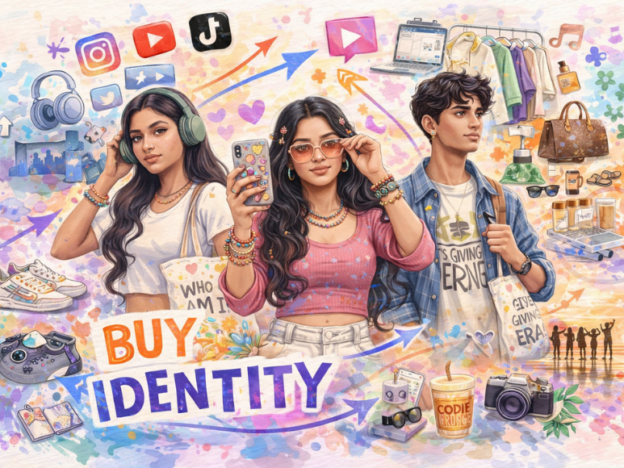
Imagine you are choosing a backpack for school.
There are two backpacks.
Both backpacks can carry your books.
Both are strong.
Both cost the same.
But one backpack has a brand that shows you love sports and being active.
The other backpack is just plain with no special meaning. Many Gen Z students would pick the first one, not because it carries books better, but because it shows something about who they are. That is the big idea behind how Gen Z buys things today. They don’t just buy products.
They buy identity.
What Does “Buying Identity” Mean?
A long time ago, companies tried to sell products by explaining what the product could do.
For example:
Phones were sold for battery life and camera quality. Shoes were sold for comfort and durability.
Drinks were sold for taste.
Those things still matter today.
But for Gen Z, another question is just as important:
“What does this product say about me?”
When Gen Z buys something, it often shows:
their personality
their values
their lifestyle
the kind of person they want to be
So the product becomes more than an object.It becomes a symbol of identity.
Social Media Changed Everything
One big reason for this change is social media.
Apps like Instagram, TikTok, and YouTube allow people to share their lives online.
People post photos and videos about:
what they wear
what they eat
what gadgets they use
where they travel
These posts create a kind of digital identity.
Because of this, the products people buy often appear in their content. For example:
the coffee brand in their hand
the sneakers they wear in a video
the skincare products on their shelf
the phone they record videos with
All these items help tell a story about who they are.
So before buying something, Gen Z might think:
“Does this brand represent the kind of person I want to be?”
Brands That Represent Identity
Some brands have become powerful symbols of identity. For example, Nike does not just sell shoes.
It promotes ideas like:
determination
ambition
athletic performance
When someone wears Nike shoes, they may feel connected to that message of strength and motivation.
Another example is Apple.
Apple products are often associated with:
creativity
innovation
modern design
Owning an Apple device can make someone feel like they are part of a creative or tech-forward lifestyle.
These brands are successful because they sell stories and meaning, not just products.
Values Matter to Gen Z
Gen Z also cares a lot about values.
Many young consumers want to support companies that stand for things they believe in.
They might ask questions like:
Does this company protect the environment?
Does it treat workers fairly?
Does it support diversity and inclusion?
For example, if a clothing brand uses sustainable materials and talks about protecting the planet, Gen Z consumers may feel more connected to it.
Buying the product becomes a way of saying:
“I care about this issue too.”
However, authenticity is very important.
If a company says it cares about something but behaves differently, Gen Z quickly notices. Social media spreads information fast, and brands can lose trust quickly.
So honesty and transparency are extremely important.
The Need to Belong
Another reason Gen Z buys identity is the desire to belong to a community.
People naturally want to feel part of a group.
Online communities form around shared interests like:
streetwear fashion
gaming culture
fitness lifestyles
sustainability movements
technology enthusiasm
When someone buys products connected to these communities, they show that they belong.
For example:
Wearing certain sneakers might connect someone with streetwear culture. Using eco-friendly products might show they support environmental activism.
Buying gaming accessories may signal they are part of the gaming community.
In many ways, products act like badges of belonging.
Values Matter to Gen Z
Gen Z also cares a lot about values.
Many young consumers want to support companies that stand for things they believe in.
They might ask questions like:
Does this company protect the environment?
Does it treat workers fairly?
Does it support diversity and inclusion?
For example, if a clothing brand uses sustainable materials and talks about protecting the planet, Gen Z consumers may feel more connected to it.
Buying the product becomes a way of saying:
“I care about this issue too.”
However, authenticity is very important.
If a company says it cares about something but behaves differently, Gen Z quickly notices. Social media spreads information fast, and brands can lose trust quickly.
So honesty and transparency are extremely important.
The Need to Belong
Another reason Gen Z buys identity is the desire to belong to a community.
People naturally want to feel part of a group.
Online communities form around shared interests like:
streetwear fashion
gaming culture
fitness lifestyles
sustainability movements
technology enthusiasm
When someone buys products connected to these communities, they show that they belong.
For example:
Wearing certain sneakers might connect someone with streetwear culture. Using eco-friendly products might show they support environmental activism.
Buying gaming accessories may signal they are part of the gaming community.
In many ways, products act like badges of belonging.
Influencers and Identity
Influencers also play a big role in identity-based shopping.
Creators online often share their lifestyles with followers.
They might show:
their daily routines
the clothes they wear
the skincare products they use
the technology they prefer
Followers sometimes buy the same products because they want to feel connected to that lifestyle.
However, Gen Z is becoming more careful about who they trust.
If influencers promote too many products or appear fake, their followers may stop listening to them.
Authenticity matters more than popularity.
Influencers who feel genuine and relatable usually build stronger trust with their audiences.
What This Means for Brands
Because Gen Z buys identity, companies must think differently about marketing. Simply listing product features is not enough anymore.
Instead, brands need to focus on things like:
storytelling
community building
authentic values
cultural relevance
Successful marketing shows how a product fits into someone’s life story. For example, instead of saying “this shoe is comfortable,” a brand might show how the shoe fits into a lifestyle of sports, adventure, or creativity.
Brands that build emotional connections with their audiences are more likely to succeed.
The Big Lesson
Gen Z has changed how the marketplace works.
Products are no longer just tools people use.
They are ways people express:
who they are
what they believe
what communities they belong to
So when a Gen Z consumer chooses a product, they are often asking a deeper question:
“Does this brand represent me?”
Companies that understand this shift will do more than sell products. They will create identities, communities, and meaningful stories. And in today’s world, the brands that help people express themselves are the ones that truly succeed.